
Oral Historians
One aspect of the preservation and restoration of early TV cameras, videotape systems, and related technologies are the people who built, maintained, and worked with this equipment. People who experienced and pioneered the rapid advancement of video technology and television production in a relatively short period of time.
MBT Oral Histories are the stories of those people, told by them in their own words.
Click on their name or pictures to view their stories.
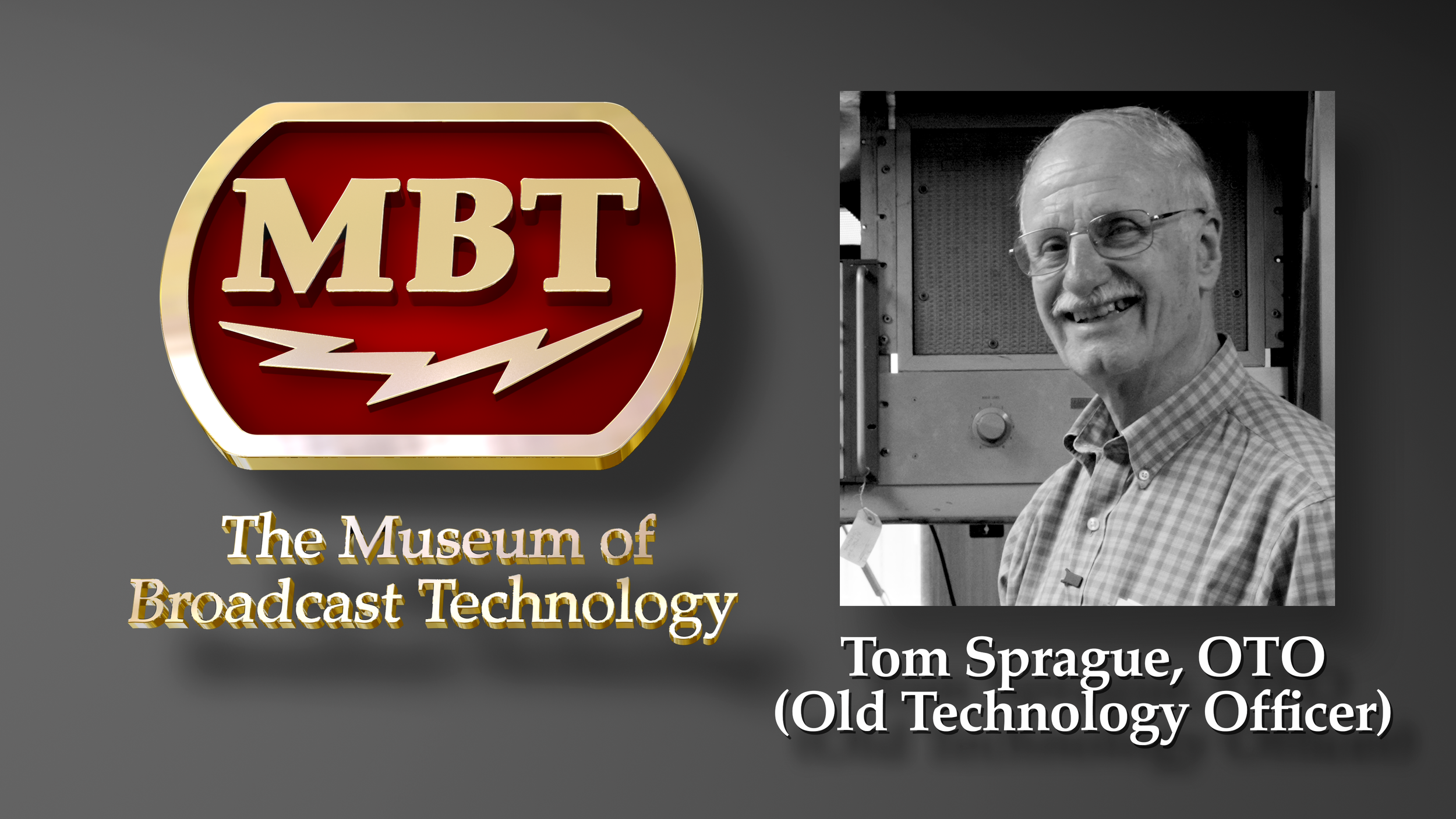
Tom began repairing TV sets while in high school, back when they could – and often needed to – be repaired. While in college, his broadcast career began at the local ABC affiliate, WMUR-TV in Manchester, New Hampshire, including a brief stint as chief engineer.
After college Tom signed on with RCA as a field engineer for broadcast television equipment and a seminar instructor. His TCR-100 seminar was attended by a group from ABC-TV, which led to a job in engineering at ABC in New York City. There Tom served as ABC's representative to the SMPTE committee working on the Type C standard for one inch videotape, a portion of which Tom drafted.
After ABC, Tom worked with Peter Fasciano to develop a major production and postproduction company in the Boston area called Vizwiz. The company later became affiliated with National Video Center in New York City and became known as National Boston. During those years Tom also developed a line of accessories for the post production industry including the popular Shadow Caster accessory for the Ampex ADO.
In 2007 Tom worked with Paul Beck and Henry Berman to establish the Museum of Broadcast Technology in a former bank building in downtown Woonsocket, Rhode Island.
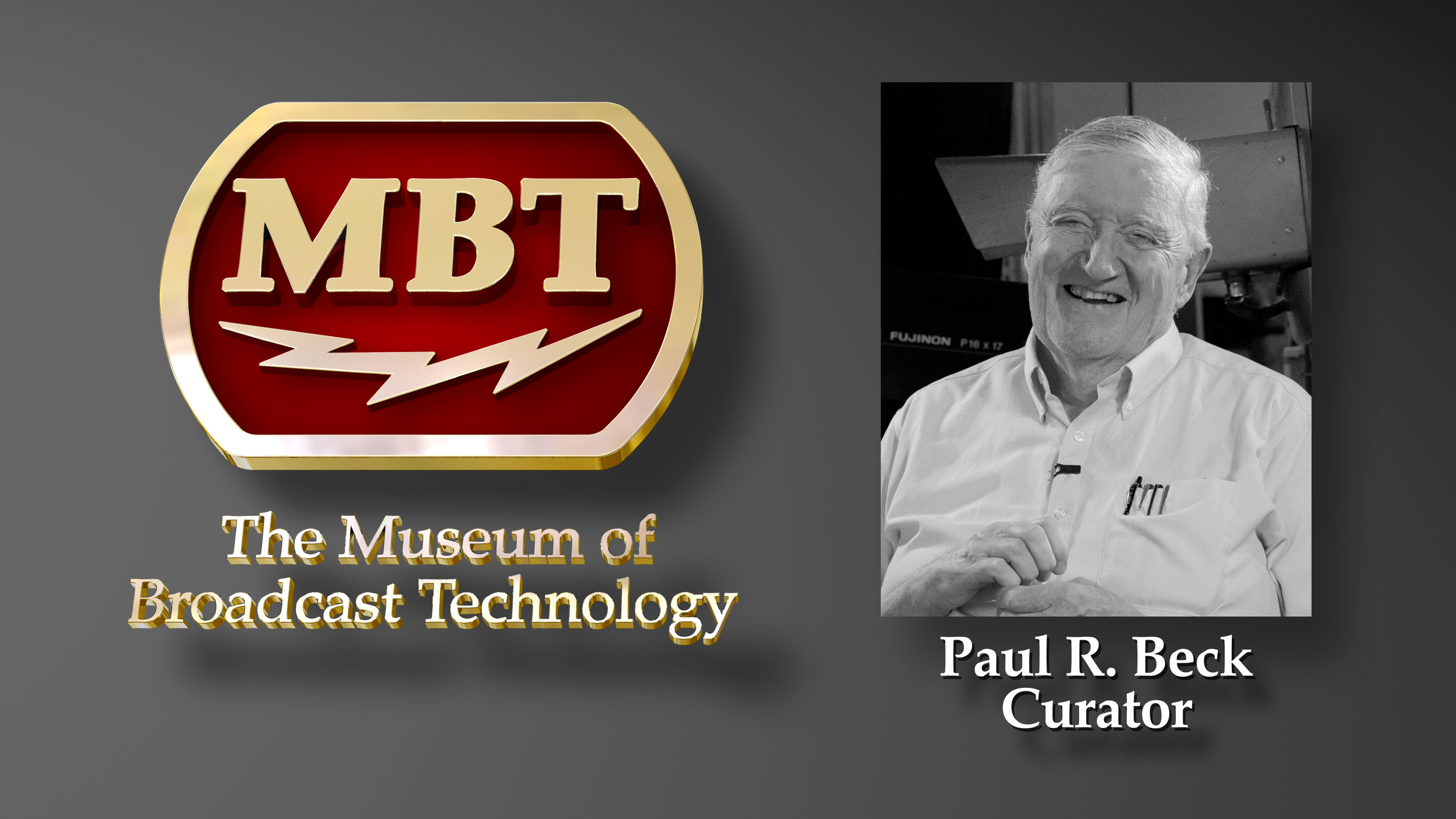
Paul began his television career in as a volunteer at The Boston Catholic Television Centre (BCTV), then broadcasting over WIHS-TV Channel 38 with a unique dual programming concept of educational content in the mornings and lots of live local college sports in the evenings. In the late 1960s he worked as a summer relief technician at Boston’s WHDH-TV, Channel 5 often working as camera operator at Fenway Park, Boston Garden and many other live sports venues. Upon graduation from Emerson College, he was employed by BCTV in a technical position.
In the mid-1970s he moved to the corporate world where he created a broadcast quality tele-production facility for industrial training, promotion and informational business purposes moving from ¾” U-Matic to 1” Type C recorders.
After a short stint as a sale and integration specialist for high-end broadcast quality manufacturers, he was lured back to Emerson College as Manager of Technical Broadcast Facilities and Director of Engineering, a position he retired from after more than three decades.
In 2007, he was instrumental in creating the Museum of Broadcast Technology where he serves on the board as well as Curator of the collection.
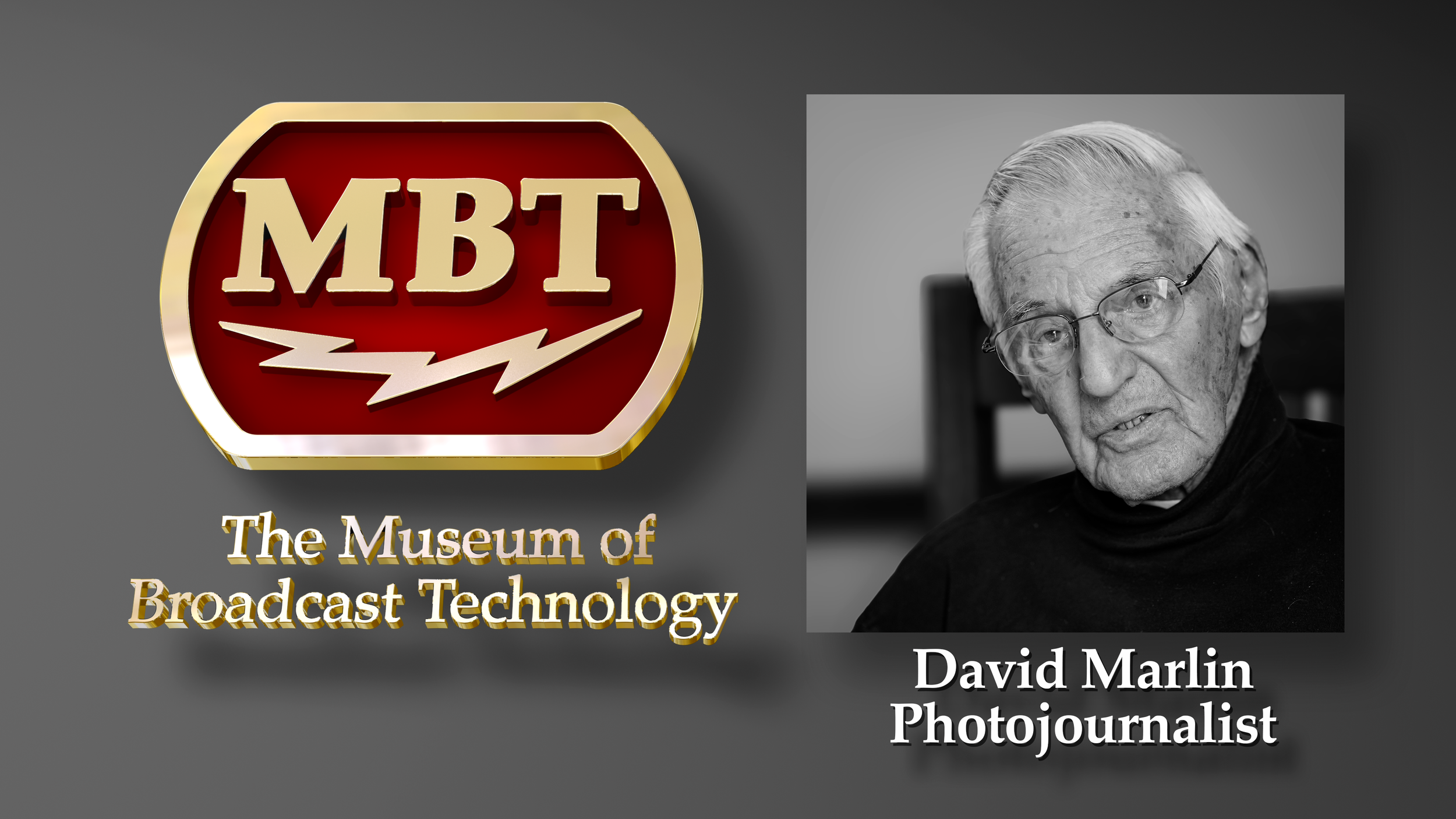
Dave’s career in broadcast television spanned four decades filming the faces and events of 1960s, 70s and 80s. Dave was the eyes and ears of CBS News in New England and the northeast working with veteran correspondents as well as cub reporters on their first network assignment. Photographing for both television and print he covered seven presidential campaigns and countless personalities including the Kennedys, Martin Luther King, Jr, The Beatles, Duke Ellington and Pope John Paul II’s visit to the United States. In addition to covering the national news, he filmed for 60 Minutes and CBS Sunday Morning.
Dave has won dozens of awards for photographic excellence. His work is included in the permanent collection of the National Portrait Gallery.